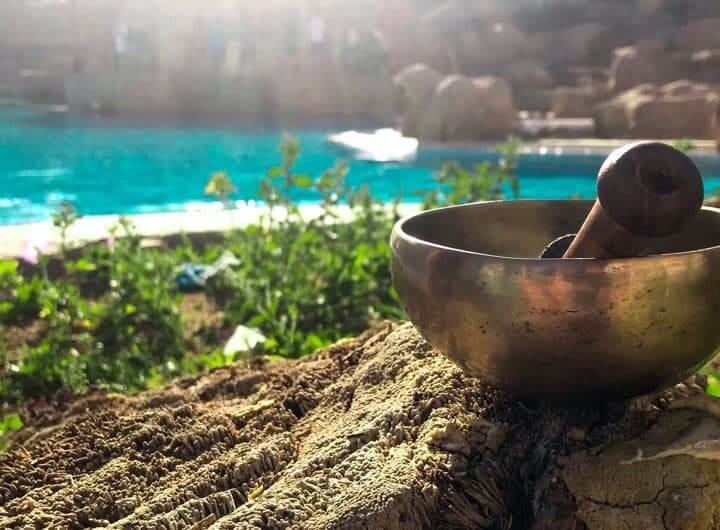
Health as an Art of Living
Primary Care. Consultations. Functional Medicine. Integrative Healing

The Premier Center for Integrative Functional Health and Wellness
At the Raby Institute, we blend the best of Western medicine and ancient traditions to offer you integrative healing options that attend to and nurture your body, mind, and spirit. Our skilled team of integrative primary care providers and practitioners, empower you to consciously author your own wellness.

Pillars of Integrative Medicine
Science & Research-Based

Collaborative
Patient-Centered
Proactive & Preventative
Integrative Medicine Services
- Acupuncture & Traditional Chinese Medicine
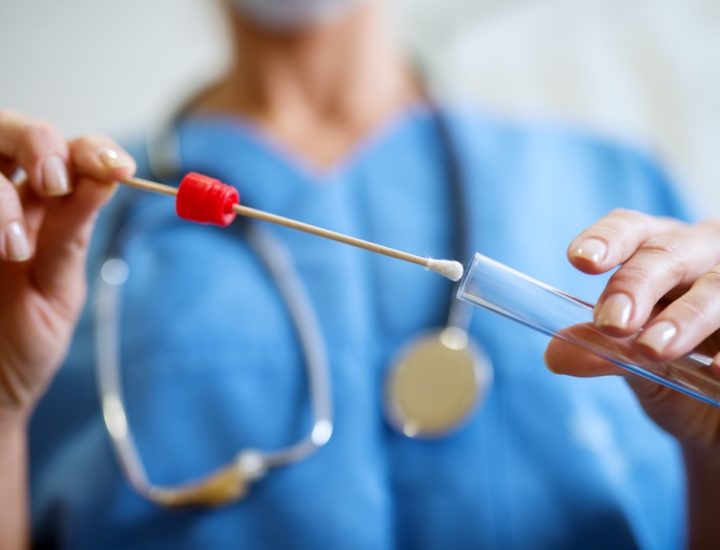
- Functional Medicine Testing
- Homeopathic Medicine
- Integrative Cancer Care
- Integrative Functional Consultations
- Integrative Gynecological Care
- Integrative Internal Medicine & Primary Care
- IV Nutrient Therapy
- Naturopathic Medicine
Acupuncture & Traditional Chinese Medicine
Traditional Chinese Medicine (TCM) is a whole-healing system centered on optimizing the flow of your life force (or Qi) to improve health. TCM includes acupuncture, acupressure, herbal medicine, nutrition, and Chinese massage (Tui Na) as methods to restore harmony and balance to the body, mind, and spirit.
Learn More About Acupuncture & Traditional Chinese Medicine

Functional Medicine Testing
Functional Medicine is a patient-centered approach to understanding the origins and context of an individual's disease in order to prevent illness and restore balance to a dysfunctional system. Functional Medicine practitioners identify the cause of many health conditions based on the results of science-based testing to identify the core biochemical and metabolic imbalances that may be at the root of a disease process.
Learn More About Functional Medicine Testing
Homeopathic Medicine
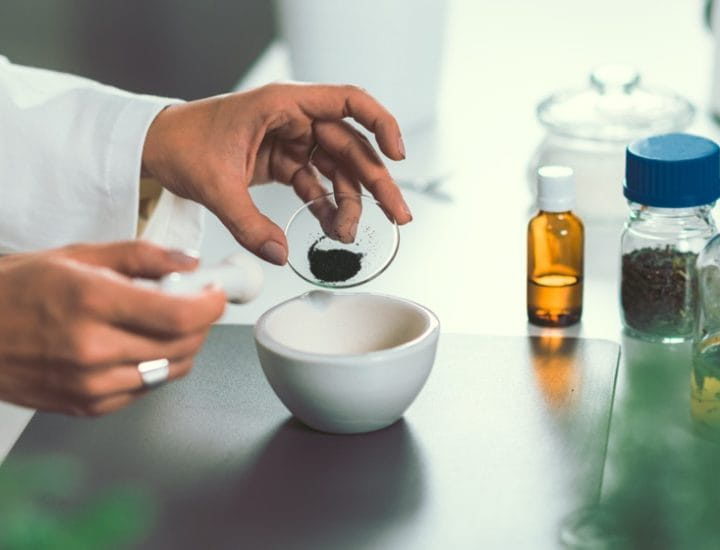
In the homeopathic system of healing, each person has a vital energy and self-healing response that, when balanced, keeps the individual healthy. When the energy is disrupted or imbalanced, health issues arise. Homeopathy seeks to restore energetic balance by stimulating the body's natural defenses and ability to self-heal using the principles of "like cures like," minimal dose of curative substances, and single remedy.
Learn More About Homeopathic Medicine
Integrative Cancer Care
Integrative Oncology is a complete approach to cancer care using safe, research-supported conventional and complementary treatments to address the mental, emotional, spiritual, and physical needs of the cancer patient. Using conventional and complementary treatments together improves cancer outcomes and quality of life.
Learn More About Integrative Cancer Care

Integrative Functional Consultations
Functional Medicine doctors look to uncover the precursors to the signs and symptoms that will eventually manifest themselves in a disease state. In an Integrative Functional Consultation our practitioners will explore with you the interactions between the genetic, environmental, and lifestyle factors that can influence your long-term health, including diet, macronutrient intake, air and water quality, proper sleep hygiene, exercise, toxins, stress, and other psycho-social factors.
Learn More About Integrative Functional Consultations

Integrative Gynecological Care
Integrative gynecology applies the philosophy of integrative medicine to the practice of gynecology. Viewing gynecological concerns through the lens of whole-person healing, we help our patients understand and address the systems of influences and imbalances that create their symptoms, conditions, or complaints.
Learn More About Integrative Gynecological Care

Integrative Internal Medicine & Primary Care
Integrative Internal Medicine & Primary Care focuses on nurturing optimal health, wellness, and vitality in addition to effective disease treatment and prevention. Our board-certified internists offer a full-range of primary care services and are also trained in integrative approaches to coordinate whole-health care.
Learn More About Integrative Internal Medicine & Primary Care

IV Nutrient Therapy
IV Nutrient Therapy is a method for delivering high doses of vitamins and nutrients directly into the bloodstream through a small needle inserted into a vein. Delivering nutrients intravenously reduces or eliminates issues of absorption, digestive upset, or aversion to taking oral supplements. As part of an integrative approach, IV Nutrient Therapy can boost energy, support detoxification, increase immune modulation, decrease pain and increase circulation.
Learn More About IV Nutrient Therapy

Naturopathic Medicine
Naturopathic medicine is based on the belief that the human body is a complex, interrelated system that has an innate healing ability. Naturopathic doctors (NDs) teach their patients to use diet, exercise, lifestyle changes and natural therapies to enhance their bodies' ability to ward off and combat disease.
Learn More About Naturopathic Medicine